The -80 Freezer Never Sleeps: An Honest Audit of Our Lab's Environmental Footprint
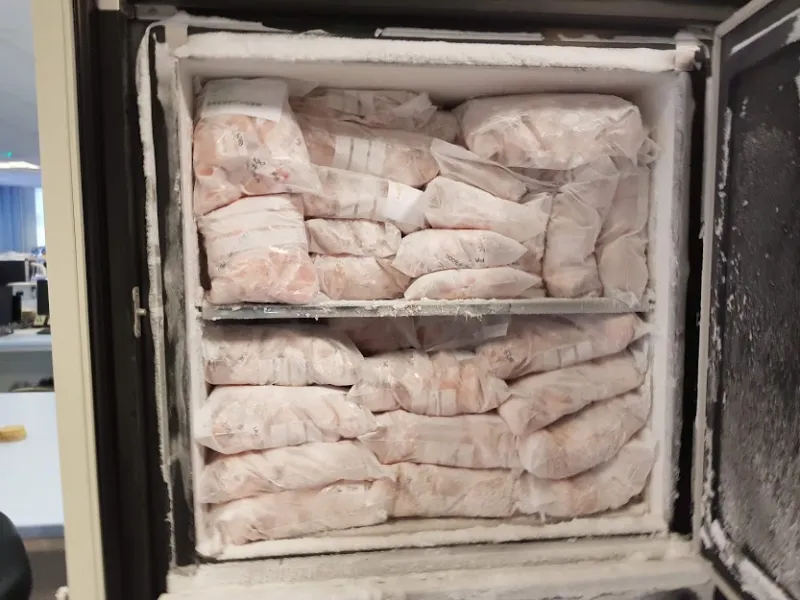
Photo: Nick, CC BY-SA 4.0, via Wikimedia Commons
Laboratories occupy a strange position in conversations about sustainability. We study the natural world with great care and, in many cases, genuine devotion — and we do it in buildings that consume several times more energy per square foot than a typical office, much of it spent keeping samples cold, reactions warm, and plastic pipette tips flowing at an astonishing rate.
Last semester, our lab decided to stop citing statistics and start collecting them. What follows is an honest account of the audit, including the trade-offs we were not willing to make.
What We Measured
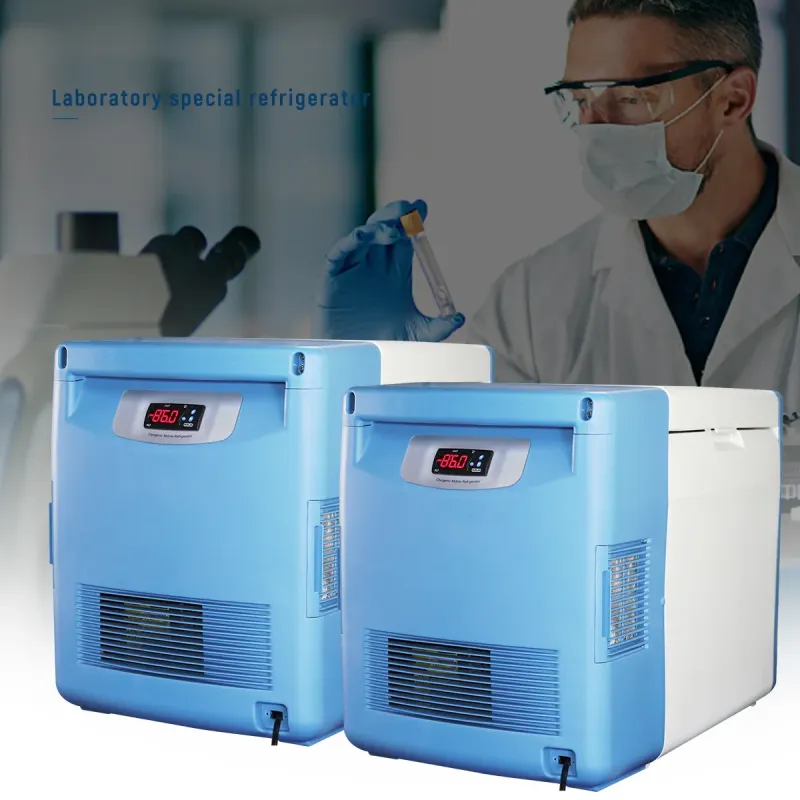
We began with the obvious culprits. Our two ultra-low temperature freezers, running around the clock at -80°C, were the single largest energy consumers in the lab — together drawing more power than the rest of the lab's equipment combined during peak hours. A single ULT freezer can use as much electricity annually as an average American household. Next came the fume hoods, which, when left running with sashes open, condition and exhaust an enormous volume of air. Then the consumables: pipette tip boxes, conical tubes, serological pipettes, and the plastic sleeves and coolers that arrive with every shipment.
The Changes That Were Actually Easy
Some interventions cost almost nothing and delivered immediate results. Closing fume hood sashes — a habit, not a purchase — measurably reduced HVAC load within weeks. Setting our freezers to -70°C rather than -80°C, a change endorsed by a growing number of US universities, cut their energy draw noticeably with no observed impact on sample integrity for our material. We replaced some single-use items with glass where sterility requirements allowed, enrolled in a polystyrene take-back program for packaging foam, and consolidated freezer inventories using a shared digital sample log, which let us retire one aging, inefficient unit entirely.
We also adopted a simple norm: reusable plasticware for non-sterile applications, and a standing shelf of shared, properly labeled reagents to reduce duplicate orders. None of these changes required new equipment or grant funds.
The Trade-Offs We Were Not Willing to Make
An honest audit requires admitting limits. We did not switch away from single-use plastics for sterile cell culture work; the contamination risk and validation burden outweighed the benefit, and reuse in that context can compromise experimental rigor. We did not replace our centrifuges or thermal cyclers, whose efficiency gains would take many years to pay back. And we did not reduce the redundancy built into our sample storage, because a decade of irreplaceable specimens is not something any of us were willing to gamble for a modest utility saving.
Sustainability in a molecular biology lab is not a purity contest. It is a series of judgment calls, made in sequence, by people who also have experiments to run.
A Starter Checklist for Any Lab This Semester
For labs considering their own audit, we offer the list we wish we had started with:
- Set ULT freezers to -70°C and defrost and clean coils on a schedule.
- Close fume hood sashes when not in active use; post reminders at eye level.
- Build a shared, searchable sample inventory before buying any new freezer.
- Enroll in packaging take-back programs with your suppliers.
- Use reusable glassware and tip boxes wherever sterility is not compromised.
- Enable sleep modes on equipment that supports them.
- Assign one person (rotate the role) to track progress quarterly.
None of these steps will solve the environmental cost of research on their own. Together, they reduced our lab's measurable footprint meaningfully while costing almost nothing — and, unexpectedly, they gave us a shared project that had nothing to do with a manuscript deadline. That, we have come to believe, is its own kind of lab culture.