Before You Sign the Rotation Form: Five Questions That Reveal What a Lab Is Really Like
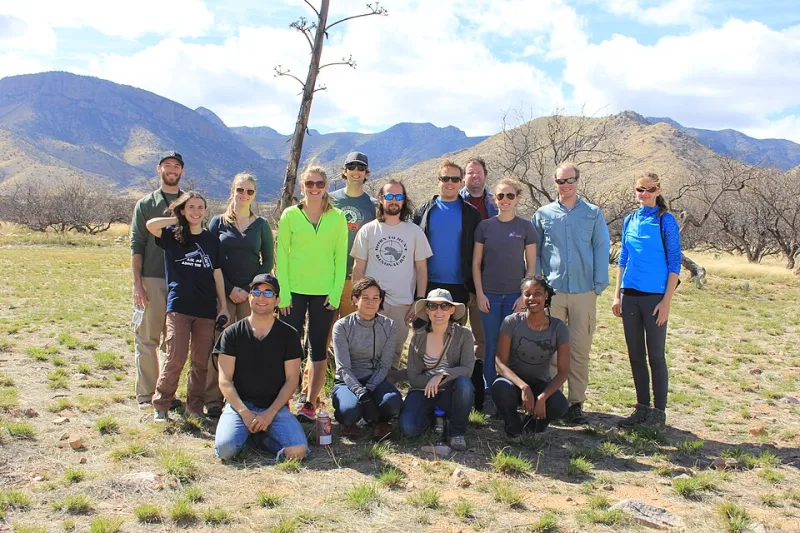
Photo: Shaunnamm, CC BY-SA 4.0, via Wikimedia Commons
Every spring, prospective graduate students visit departments across the country, attend chalk talks, and try to divine, from a two-day visit, what the next five or six years of their lives will look like. At McKnight Lab, we host several such visitors each year, and we have started keeping a list of the questions that actually produced useful answers—questions our own members wish they had asked before joining.
We share them here in the spirit of open science: the process of choosing a lab should be as transparent as the research itself.
1. What Happens When an Experiment Fails for Six Months?
Every lab says it values rigor and persistence. The revealing question is what support actually looks like during a long dry spell. Ask current students: When a project stalls, does the PI dig into the data with you, or does attention drift toward people with results? How did the last person whose project failed fare—did they pivot to a new question, or quietly leave?
Failure trajectories are the truest window into a lab's mentoring culture. A lab that can narrate a recent failure honestly, including what changed afterward, is usually a lab worth joining.
2. Where Does the Money Come From, and How Long Does It Last?
Funding stability shapes everything: what experiments are possible, whether you attend conferences, and how much stress you carry. Ask directly which grants support trainees, when they expire, and what happens if a renewal misses. A lab on a five-year R01 in year four is a very different environment from one with bridge funding and an anxious renewal cycle.
Also ask whether students are funded on training grants, fellowships, or the PI's grants, because each arrangement carries different expectations and different risks.
3. How Are Authorship Decisions Made?
This question feels awkward, which is precisely why it matters. Authorship disputes are among the most common sources of graduate student misery, and most could be prevented by a conversation in week one.
Ask the PI: What are your authorship norms? Who decides first author? What does a middle author on a big collaboration paper actually contribute? Then cross-check with lab members. If the answers differ significantly, that discrepancy is itself information.
4. What Are the Real Hours—Including the PI's Expectations Versus the Stated Ones?
Many labs have an official answer and an unofficial answer about working hours, weekend expectations, and responsiveness to email at night. Ask members when they last took a vacation longer than a week, and whether they felt able to. Ask how the PI reacts when someone leaves at 5 p.m.
There is no single correct answer—some scientists thrive in intense environments. The problem is mismatch. You are trying to determine whether the lab's lived culture matches your own goals and season of life.
5. How Do I Read the Publication Record Between the Lines?
A lab's publication list tells a story if you know how to read it. Look past the glamour journals. Are recent trainees first authors? Do students publish multiple papers, or does everyone leave with one slow-moving manuscript? Check how long the average PhD takes and where alumni landed—academic positions, industry, national labs, teaching-focused institutions. A lab whose alumni scatter across careers you would be happy to have is a lab that develops scientists, not just data.
A Note From Our Own Bench
We encourage every visitor to ask us these questions directly, including the uncomfortable ones. A lab that resents them may be telling you something. The best rotations happen when both sides evaluate each other honestly, because a PhD is not a job you are lucky to get—it is a collaboration you are choosing to build.
Bring the list. Ask the fifth question even when the conversation is going well. Your future self, three years into a tricky project, will be grateful you did.