Forty Days of Silence: A Field Guide to Surviving the Space Between Grant Submission and the Study Section
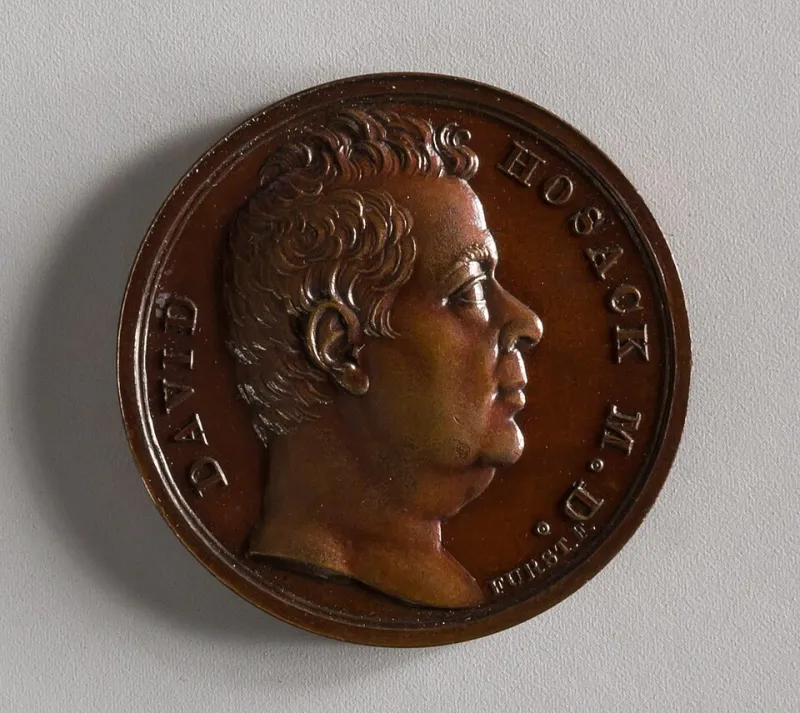
Photo: Moritz Fuerst, CC0, via Wikimedia Commons
The submission portal closes, the confirmation email arrives, and then — nothing. For the next several weeks, a grant application exists in a state that physicists would recognize: simultaneously funded and not funded, observed by no one. At McKnight Lab, we have come to call this stretch 'the quiet season,' and this spring we decided to document it honestly.
What the Waiting Period Actually Looks Like
For a typical NIH R01 cycle, the interval between submission and the release of scores runs longer than most applicants expect. During that time, the application is assigned to a study section, reviewed by a panel of working scientists, discussed at a meeting, and scored. None of this is visible to the applicant. What is visible is a lab full of people pretending not to check the portal.
We interviewed six members of the lab about their most recent cycle. Their accounts varied in detail but converged on a single theme: the waiting is a shared burden, and labs that pretend otherwise are doing their people a disservice.
The Rituals We Admit To
Superstition flourishes in the absence of information. One graduate student admitted she refuses to discuss the grant 'in the past tense' until scores post, in case the universe interprets a change of grammar as an invitation to reject. A postdoctoral fellow described checking the Center for Scientific Review's meeting dates the way other people check sports scores, calculating exactly which panel his application would land in and when that panel convenes.
Our lab manager keeps a spreadsheet, updated quarterly, of every submission's status. She calls it 'the ledger of hope.' It is, she notes, the only document in the lab that everyone reads.
None of these rituals improves the science. All of them, we suspect, improve the waiting.
What Principal Investigators Wish Reviewers Knew
When we asked our principal investigator what she would say to a study section if given the chance, her answer was measured but pointed. 'A score is a number,' she said. 'But behind it is a person who restructured their year around those specific aims, and a technician whose salary may depend on the outcome.' She emphasized that she does not want leniency — she wants reviewers to remember that a rejected grant is not an abstract loss but a concrete one, with names attached.
She also wished reviewers understood resubmission culture. 'The A1 is almost never the same grant as the A0,' she noted. 'We took the critique seriously. That labor deserves acknowledgment, even when the score still falls short.'
How We Structure the Wait as a Lab
Over several cycles, we have settled on a few practices that make the interval less corrosive:
- Name the date. We mark the expected study section meeting on the shared lab calendar. Uncertainty is worse than bad news.
- Cap the checking. Portal status is checked once weekly, by one person, and reported at lab meeting. This single rule has done more for lab morale than any pizza party.
- Pre-plan both outcomes. Within a week of submission, we draft a one-page plan for a funded scenario and a one-page plan for an unfunded one. Decisions made in advance are calmer than decisions made at the moment of a score release.
- Keep the science moving. The grant describes work that is already underway. The waiting period is a good time to generate the pilot data that makes the next application stronger, whatever this one does.
The Human Cost Nobody Reports
Papers have methods sections. Grants have — as far as we know — no accepted venue for describing the experience of applying for them. The anxiety of a funding cycle is borne privately, in inboxes and late-night portal refreshes, and it compounds across a career. Early-career scientists in particular report that the wait feels like a referendum on their judgment, not just their ideas.
Naming that openly, as we have tried to do here, does not shorten the wait. But it does something else: it reminds a lab that the silence in the portal is not a verdict, and that a group of people who can talk honestly about dread is a group that can also talk honestly about science.
The scores will arrive when they arrive. The freezer will keep running either way, and the experiments — the actual reason any of us are here — were never waiting on anyone.